UserJot
Home
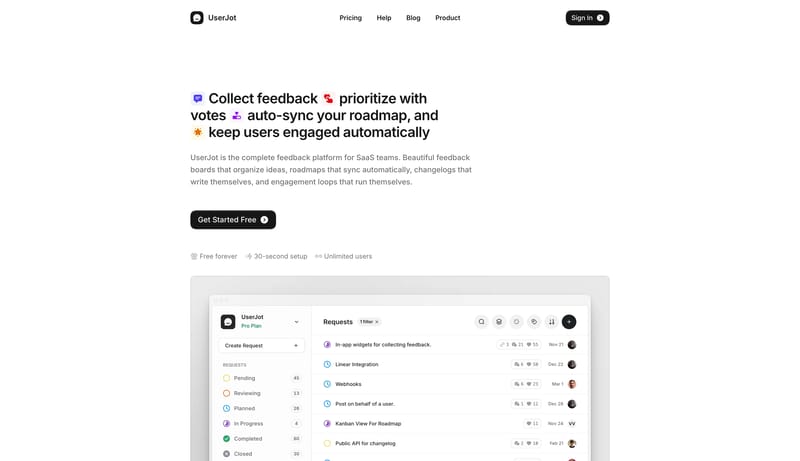
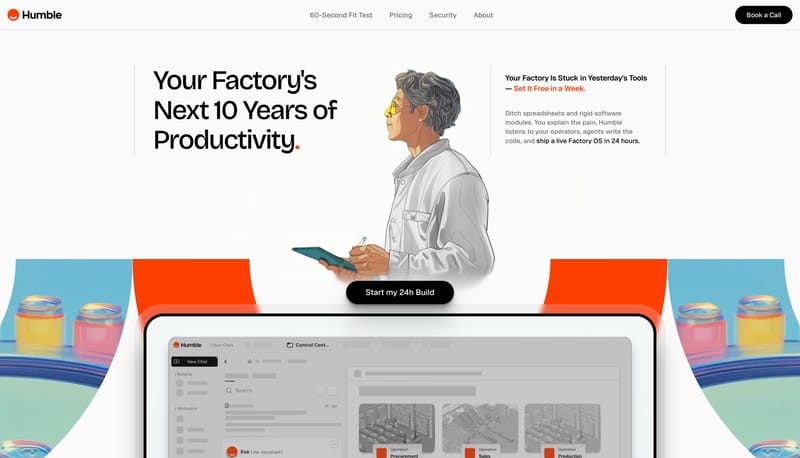
This design language is for a transparent SaaS product that proves itself by showing the actual interface. It uses a white canvas, compact black pill actions, warm orange signals, and large framed product-window previews...
Open exampleBrowse DESIGN.md examples that emphasize typography systems, type scale, font pairing, and hierarchy as reusable implementation guidance.
What To Study
Compare how these systems define display type, body fonts, scale jumps, density, and readability rules instead of leaving typography as vague visual taste.
What To Compare
Focus on font roles, scale naming, line-height intent, responsive hierarchy, and whether the system makes typography easy for engineers and AI tools to apply consistently.
Design Analysis
This design language is for a transparent SaaS product that proves itself by showing the actual interface. It uses a white canvas, compact black pill actions, warm orange signals, and large framed product-window previews... This design language is a quiet work...
UserJot
Home
This design language is for a transparent SaaS product that proves itself by showing the actual interface. It uses a white canvas, compact black pill actions, warm orange signals, and large framed product-window previews...
Open exampleBud - Your AI Worker
Home
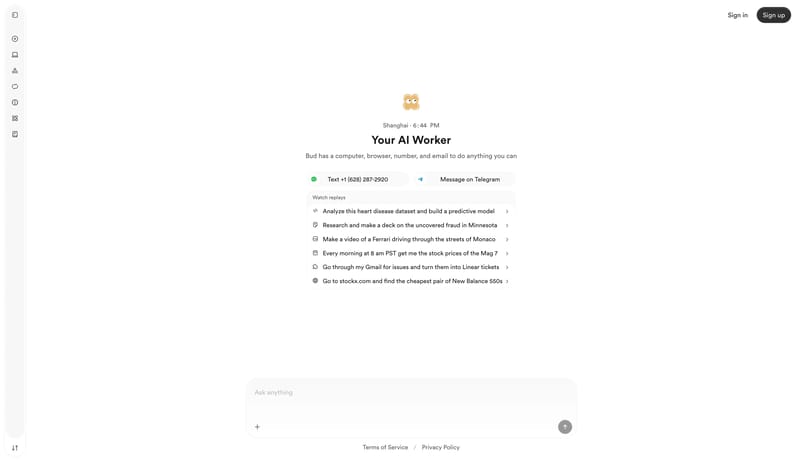
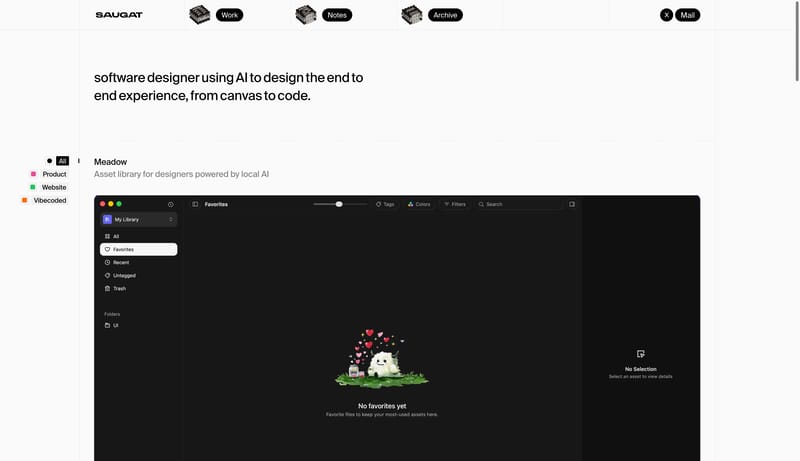
This design language is a quiet workspace for delegating tasks to an AI assistant. The screen should feel spacious, personal, and utilitarian: a mostly white canvas, a slim persistent tool rail, one centered work object,...
Open exampleZeabur
Home
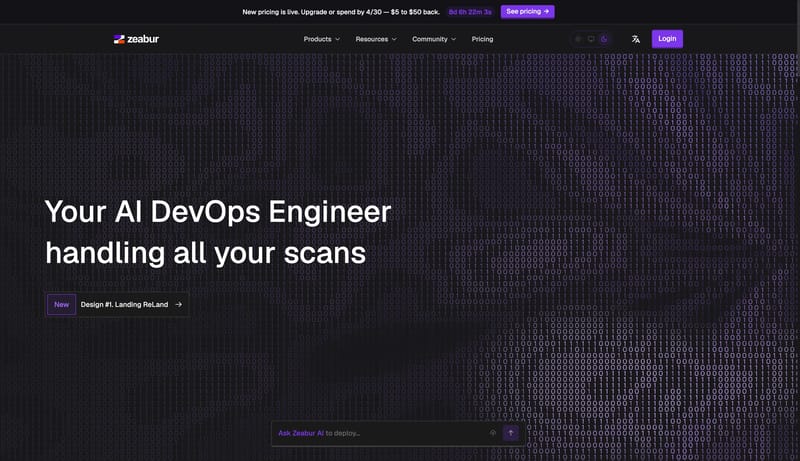
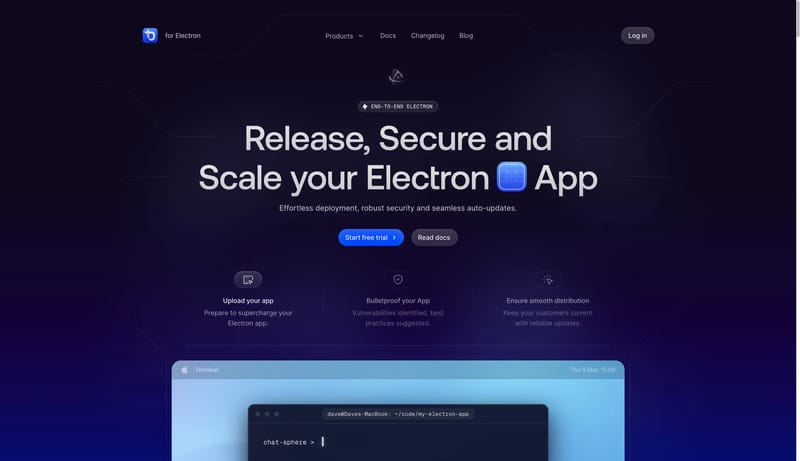
This design language is a dark infrastructure-console system for cloud deployment, AI tooling, and developer operations. It should feel technical, precise, and command-driven: large sparse heroes introduce the product, t...
Open exampleUse these adjacent facet and workflow pages to connect typography systems analysis with other structured design-system concerns across the site.
Hub
Return to the main DESIGN.md hub to scan the broader dataset and compare across multiple system concerns.
Related Hub
Branch into topic pages grouped by repeated visual signals when you want a broader inspiration lens beside this system-focused facet.
Adjacent Facet
Collections focused on palette logic, semantic tokens, contrast handling, and accent usage.
Adjacent Facet
Examples that document reusable components, states, variants, and interaction expectations.
Adjacent Facet
Examples that describe spacing, grid, rhythm, hierarchy, and structural decision-making.
Workflow Collection
DESIGN.md-style references, token-driven systems, and tools for AI-readable design workflows.
Workflow Collection
References for Figma AI, Figma Make, MCP-assisted design workflows, and editable UI generation.
Compare how these systems define display type, body fonts, scale jumps, density, and readability rules instead of leaving typography as vague visual taste.
A focused collection makes it easier to compare how teams describe one system concern consistently across many examples instead of mixing unrelated signals on a single page.