Browse all Styles

Style

Transitions Website Inspiration

Browse 50 curated Transitions website examples to review visual direction, typography, color systems, motion, and overall brand expression.

50 curated examples24 per pagePage 3 of 3

What To Look For

Study how Transitions style decisions affect first impression, readability, visual tension, motion, and the overall feel of the product.

What To Compare

Pay attention to color contrast, type pairings, spacing density, illustration treatment, motion restraint, and how the Transitions style stays consistent across the page.

Design Analysis

What stands out in Transitions websites

This design language is a quiet workspace for delegating tasks to an AI assistant. The screen should feel spacious, personal, and utilitarian: a mostly white canvas, a slim persistent tool rail, one centered work object,... Use a calm studio-width page with so...

Recurring Signals

    Related Keywords

    OverviewColorsTypographyLayout

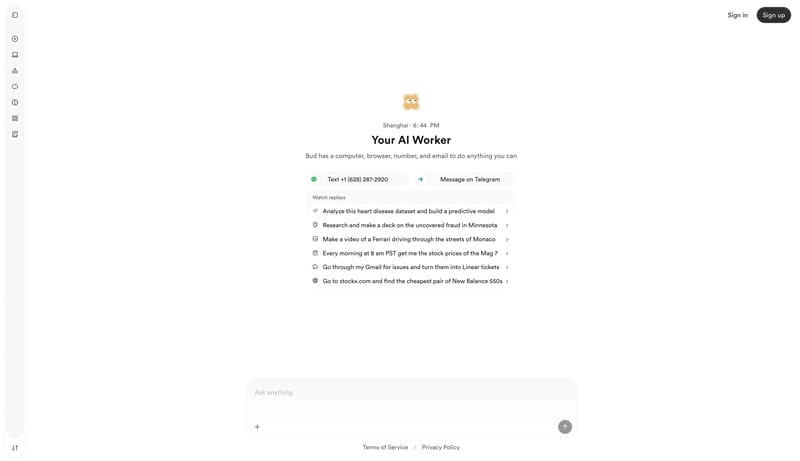
    Bud - Your AI Worker

    Home

    2026-04-23

    This design language is a quiet workspace for delegating tasks to an AI assistant. The screen should feel spacious, personal, and utilitarian: a mostly white canvas, a slim persistent tool rail, one centered work object,...

    Open example

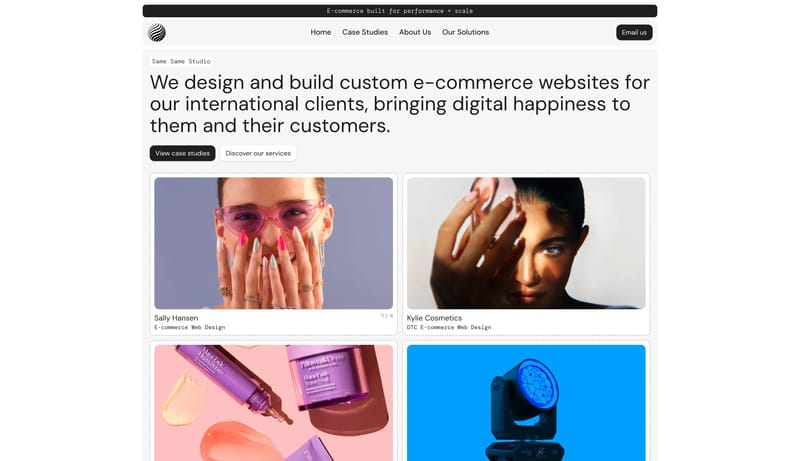
    Same Same Studio

    Home

    2026-03-31

    Use a calm studio-width page with soft gray panels, practical copy, editorial commerce photography, compact buttons, and dashed portfolio frames.

    Open example
    Continue Exploring

    Use these internal hubs to keep branching from Transitions into broader design research, structured design analysis, or adjacent website inspiration taxonomies.

    Transitions Inspiration FAQ

    What can this Transitions style collection help with?

    It helps you compare visual tone, typography, color systems, spacing density, illustration treatment, and motion choices used in Transitions website design.

    How should I use Transitions style references?

    Use them to calibrate creative direction, collect mood references, and decide which visual traits feel distinctive enough to adapt for your own product.