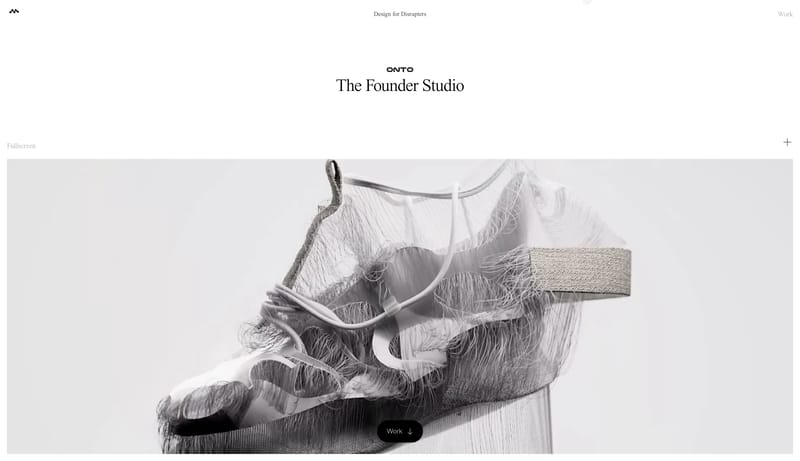
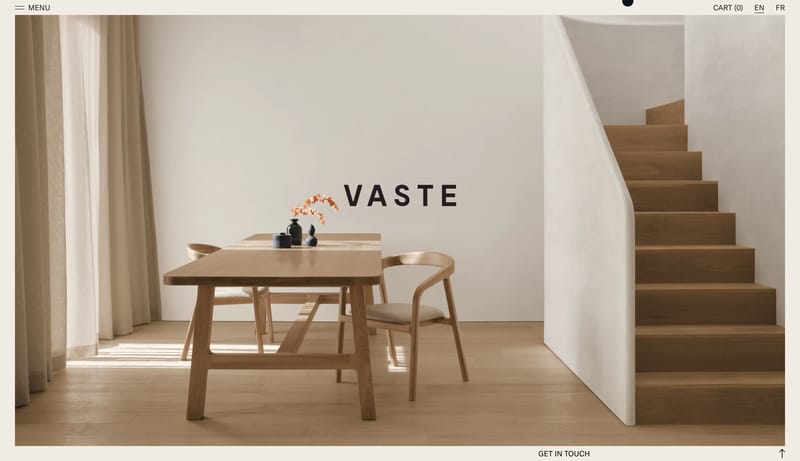
Osmo
Home
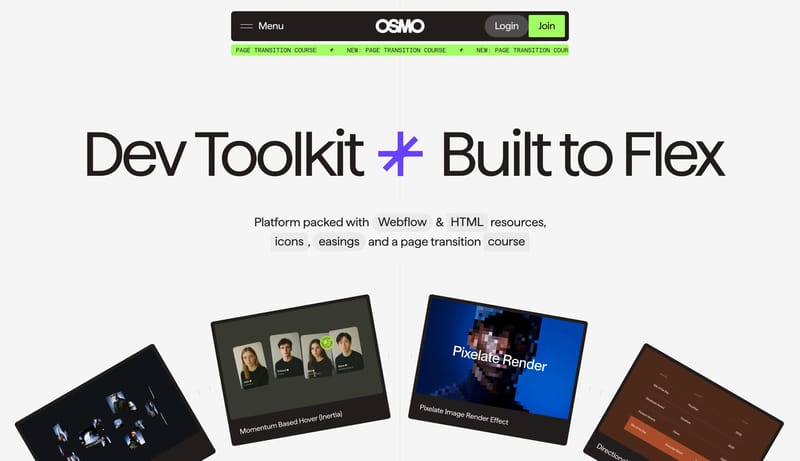
Use a playful creative-development system: huge flexible type, centered black nav, lime membership actions, mono ticker strips, split-axis layouts, tilted resource cards, and confident light/dark mode shifts.
Open exampleStyle
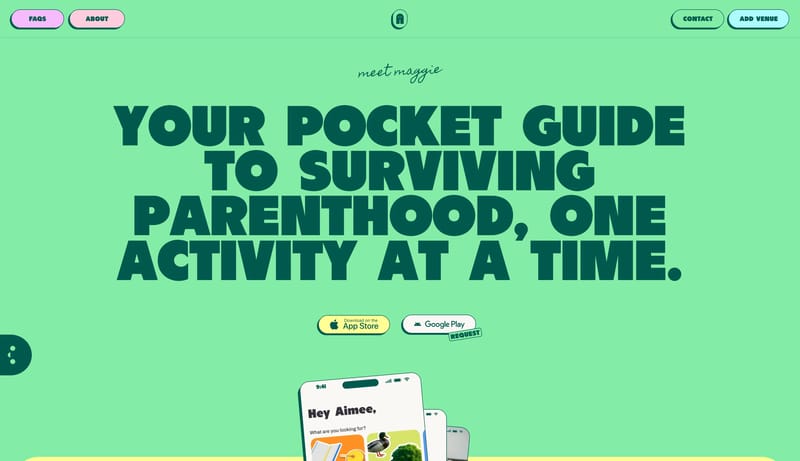
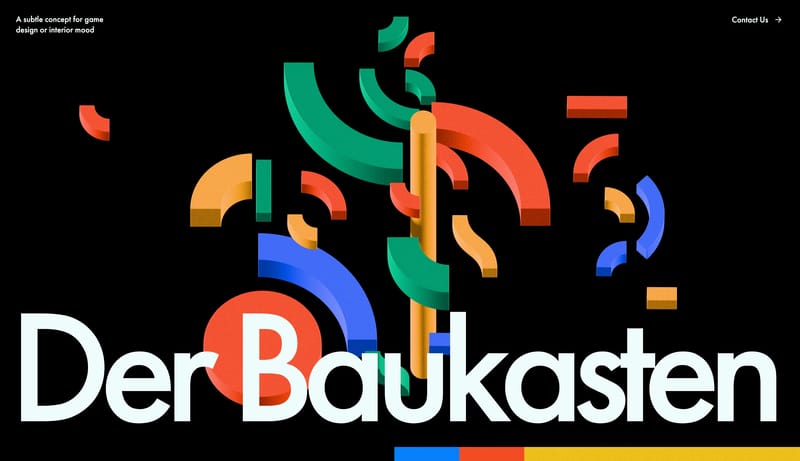
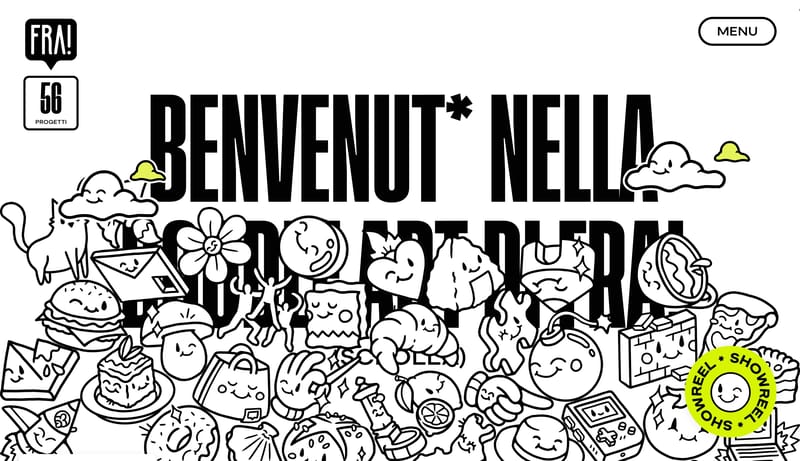
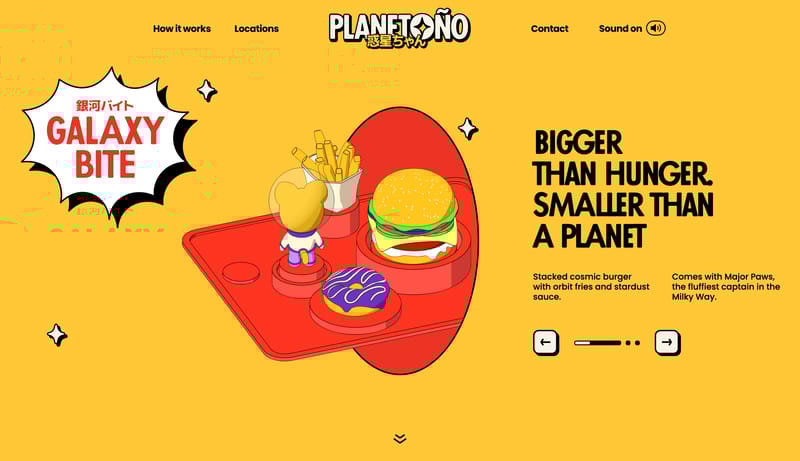
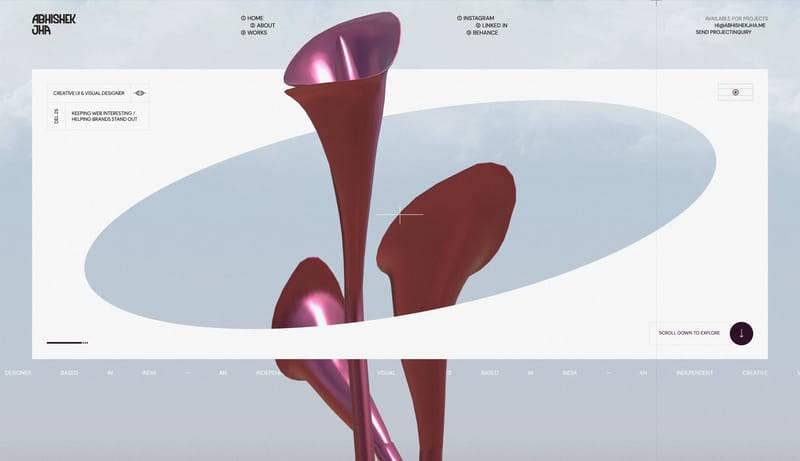
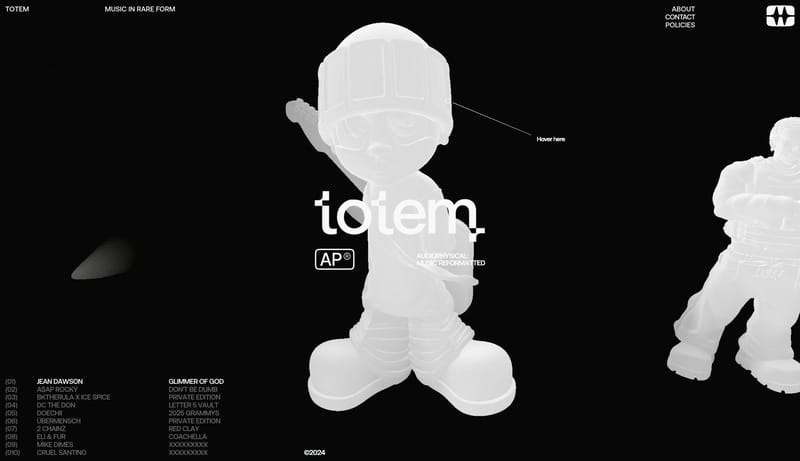
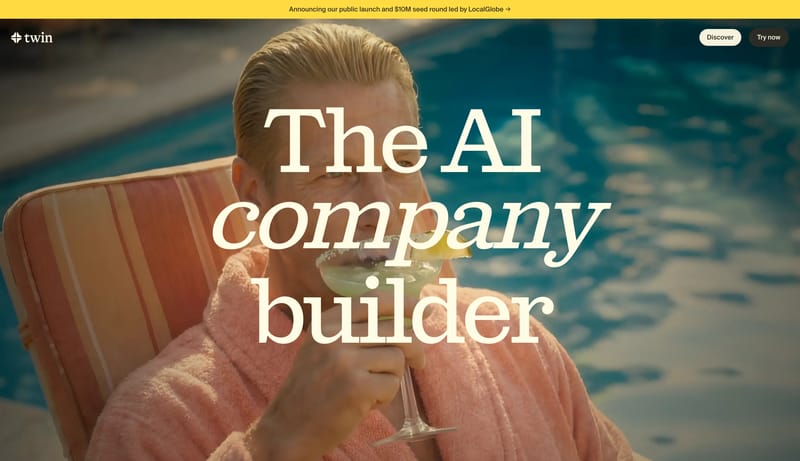
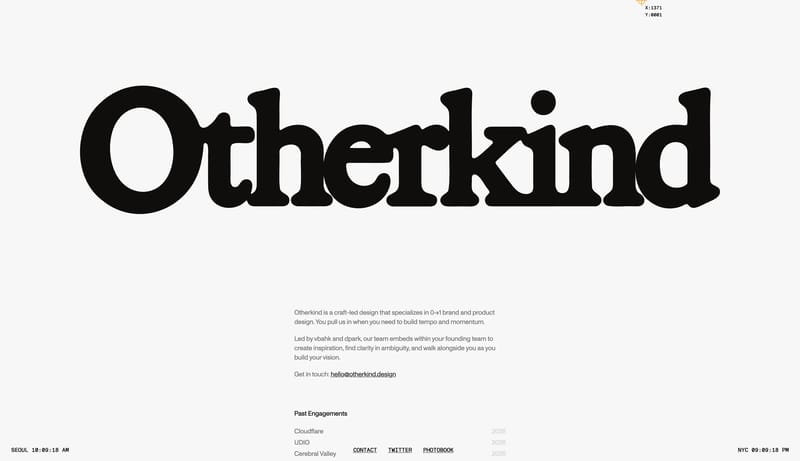
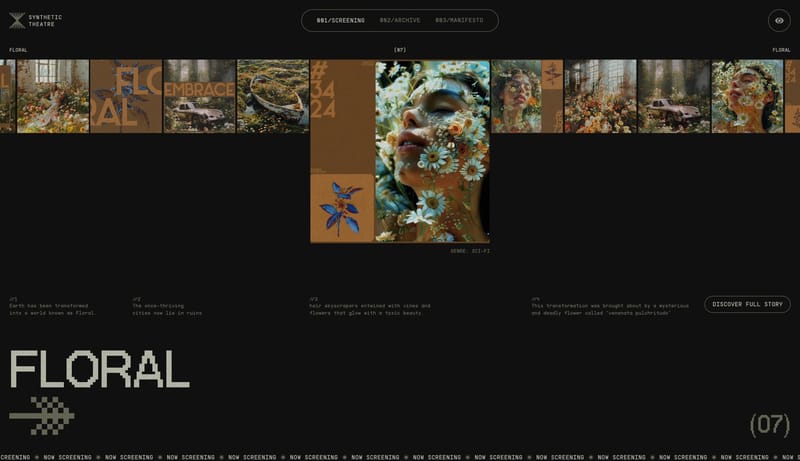
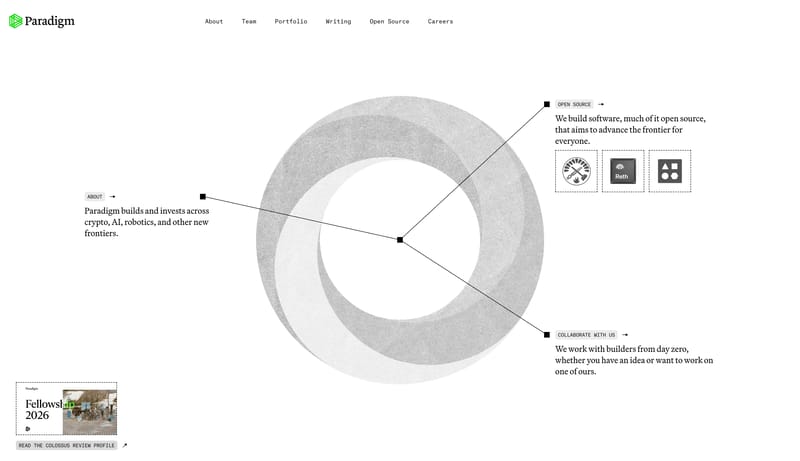
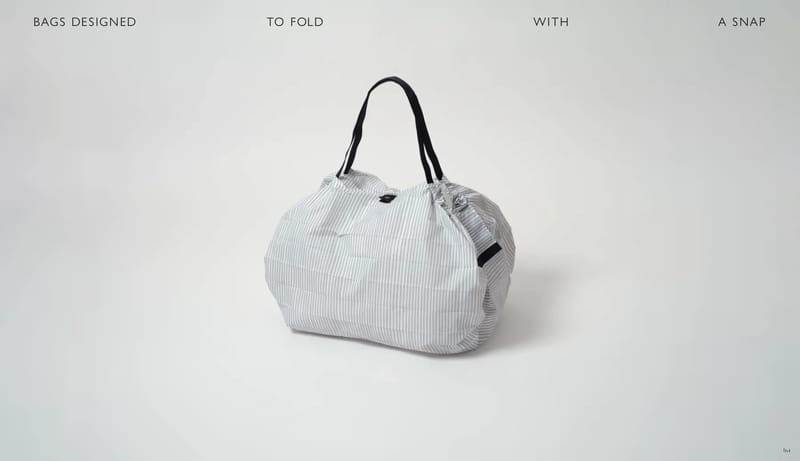
Browse 39 curated Custom Cursor website examples to review visual direction, typography, color systems, motion, and overall brand expression.
What To Look For
Study how Custom Cursor style decisions affect first impression, readability, visual tension, motion, and the overall feel of the product.
What To Compare
Pay attention to color contrast, type pairings, spacing density, illustration treatment, motion restraint, and how the Custom Cursor style stays consistent across the page.
Design Analysis
Use a playful creative-development system: huge flexible type, centered black nav, lime membership actions, mono ticker strips, split-axis layouts, tilted resource cards, and confident light/dark mode shifts. This system is almost all absence. Use a blank whit...
Osmo
Home
Use a playful creative-development system: huge flexible type, centered black nav, lime membership actions, mono ticker strips, split-axis layouts, tilted resource cards, and confident light/dark mode shifts.
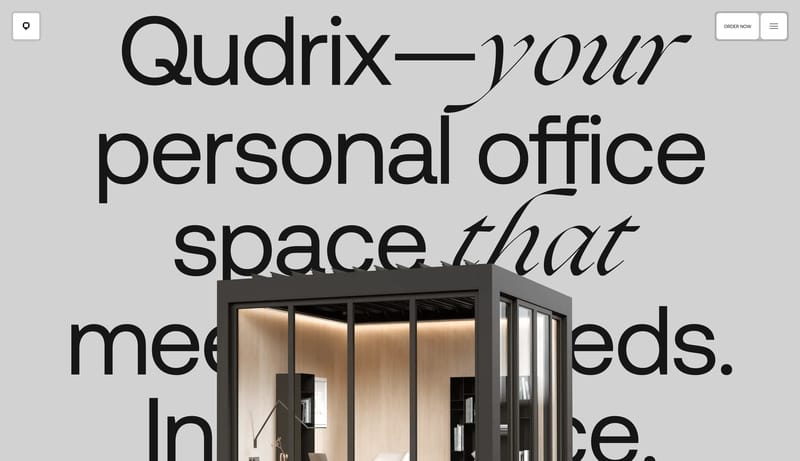
Open exampleQudrix
Home
This system is almost all absence. Use a blank white field, one tiny corner code, and one large message cluster anchored to the lower-left zone of the viewport. The layout should feel calm and definitive rather than apol...
Open exampleUse these internal hubs to keep branching from Custom Cursor into broader design research, structured design analysis, or adjacent website inspiration taxonomies.
Hub
Return to the broader styles hub if you want to branch into adjacent topics beyond Custom Cursor.
Related Hub
Browse pages grouped by repeated design signals when you want inspiration organized by visual patterns instead of taxonomy alone.
Related Hub
Study structured design analysis, reusable tokens, and AI-readable system guidance tied back to real production websites.
Workflow Collection
Portfolio references and related tools for studios, personal brands, creative developers, and case-study-led sites.
Workflow Collection
Collections for vibe-coded sites, AI website builders, and fast-moving prompt-to-product workflows.
Workflow Collection
A broader collection of AI product references, AI website examples, design-system examples, and workflow tools.
Explore More
Switch to the categories hub to compare Custom Cursor inspiration against a different browsing dimension.
Explore More
Switch to the sections hub to compare Custom Cursor inspiration against a different browsing dimension.
Explore More
Switch to the markers hub to compare Custom Cursor inspiration against a different browsing dimension.
It helps you compare visual tone, typography, color systems, spacing density, illustration treatment, and motion choices used in Custom Cursor website design.
Use them to calibrate creative direction, collect mood references, and decide which visual traits feel distinctive enough to adapt for your own product.