Browse all Styles

Style

Gradient Website Inspiration

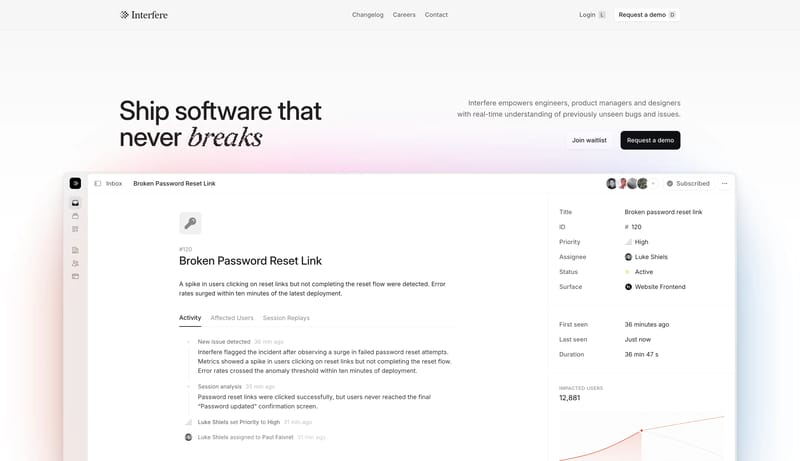
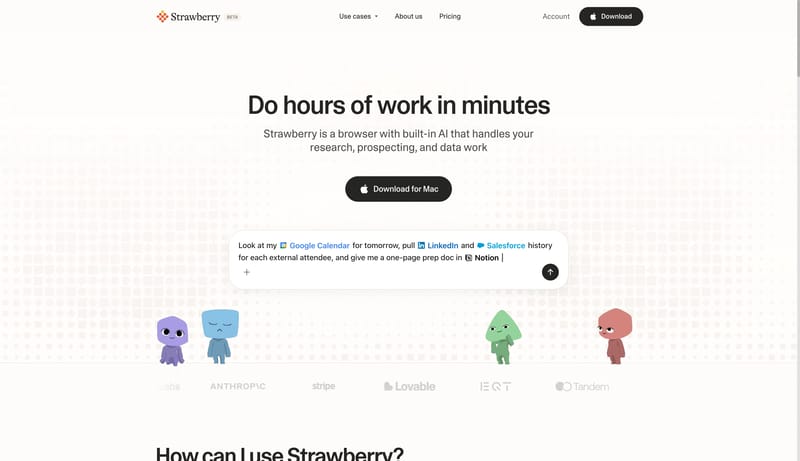
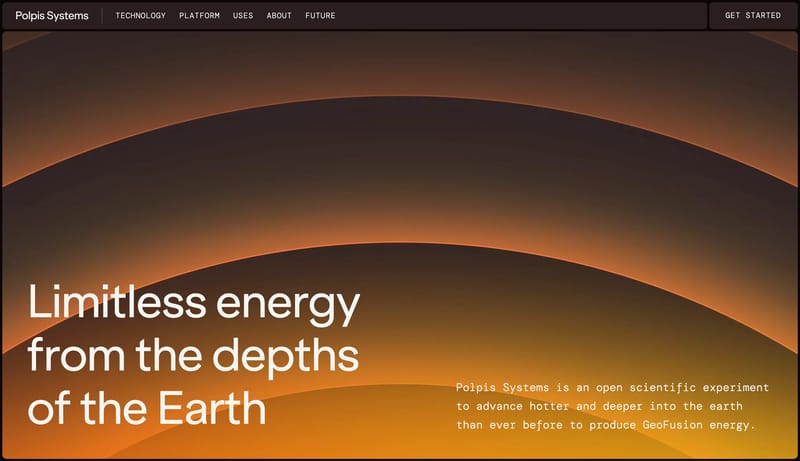
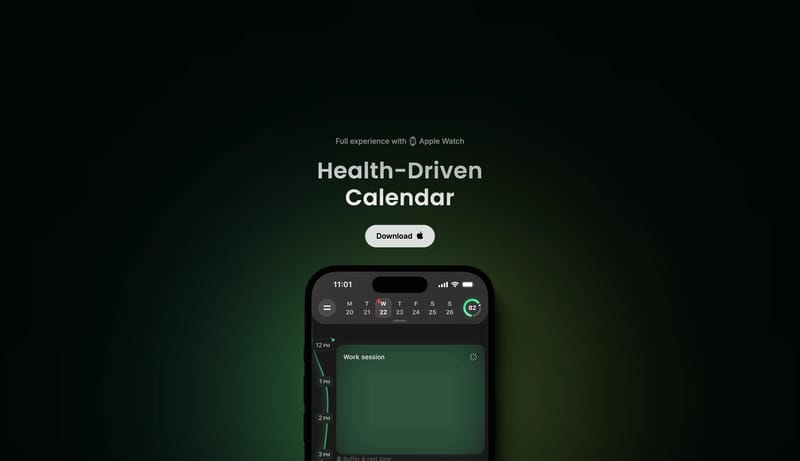
Browse 83 curated Gradient website examples to review visual direction, typography, color systems, motion, and overall brand expression.

83 curated examples24 per pagePage 4 of 4

What To Look For

Study how Gradient style decisions affect first impression, readability, visual tension, motion, and the overall feel of the product.

What To Compare

Pay attention to color contrast, type pairings, spacing density, illustration treatment, motion restraint, and how the Gradient style stays consistent across the page.

Design Analysis

What stands out in Gradient websites

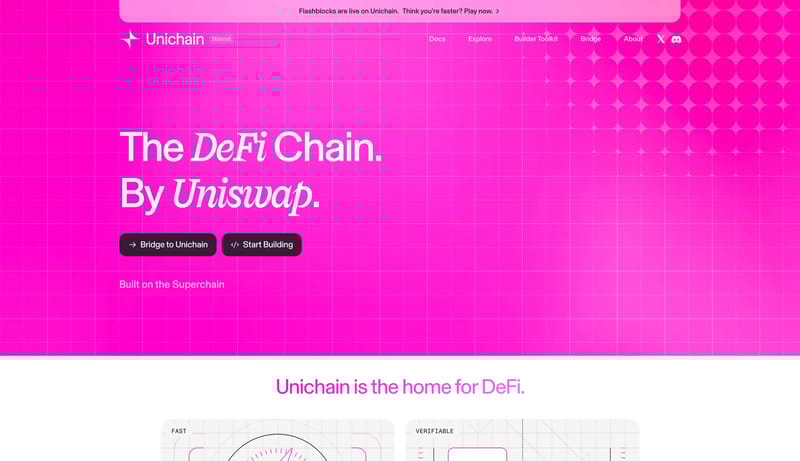
This design language is for onchain finance products that need to feel direct, technical, and high-energy. It uses a saturated magenta stage, visible grid structure, oversized white or magenta headlines, dark plum pill a... Build a dark system that feels techn...

Recurring Signals

    Related Keywords

    OverviewColorsTypographyLayoutImage Direction

    Unichain

    Home

    2026-03-31

    This design language is for onchain finance products that need to feel direct, technical, and high-energy. It uses a saturated magenta stage, visible grid structure, oversized white or magenta headlines, dark plum pill a...

    Open example

    Astro

    Home

    2026-01-30

    Build a dark system that feels technical, open-source-adjacent, and community alive. A cosmic publishing system built from dark violet-blue atmosphere, bright full-pill actions, and framed technical proof.

    Open example

    Continue Exploring

    Use these internal hubs to keep branching from Gradient into broader design research, structured design analysis, or adjacent website inspiration taxonomies.

    Gradient Inspiration FAQ

    What can this Gradient style collection help with?

    It helps you compare visual tone, typography, color systems, spacing density, illustration treatment, and motion choices used in Gradient website design.

    How should I use Gradient style references?

    Use them to calibrate creative direction, collect mood references, and decide which visual traits feel distinctive enough to adapt for your own product.