SEO Workflow Collection

Codex Design References

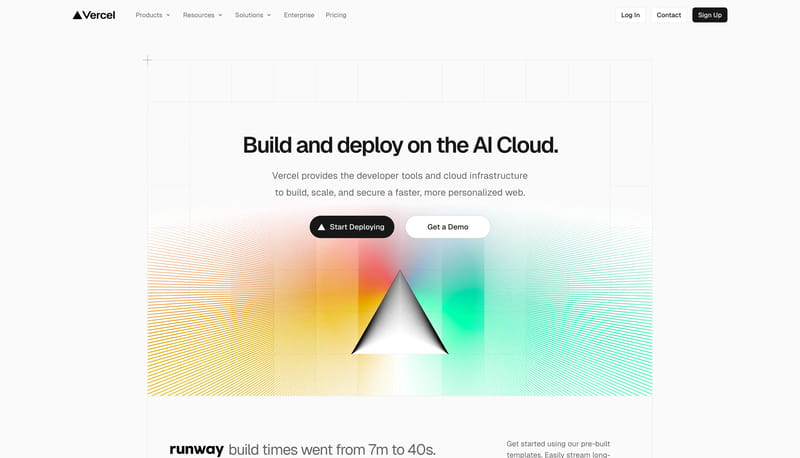
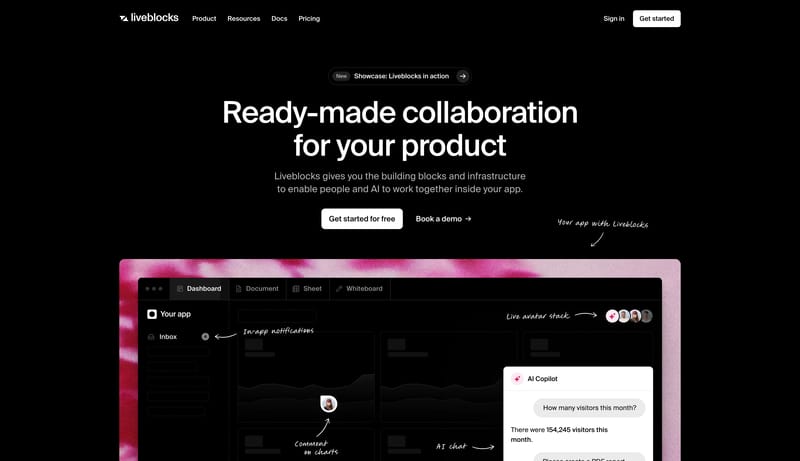
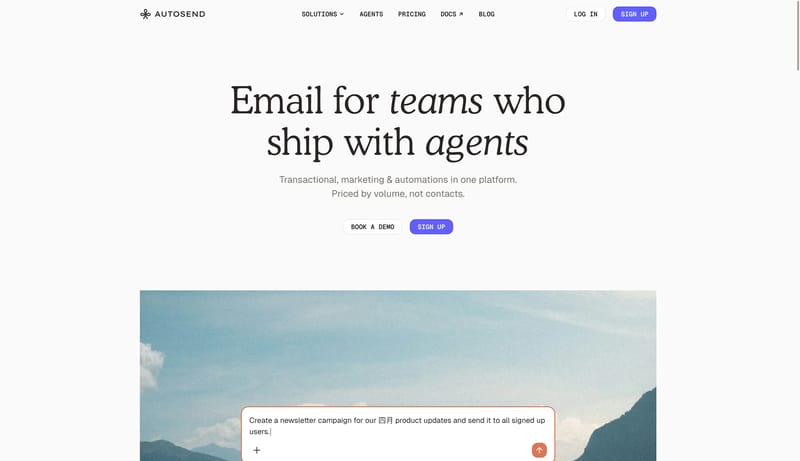
Browse website references, design-system signals, and tools that are useful when shaping AI coding products, agent workspaces, and developer-facing interfaces.

44 matching site references182 related tools5 target keyword signals

What To Study

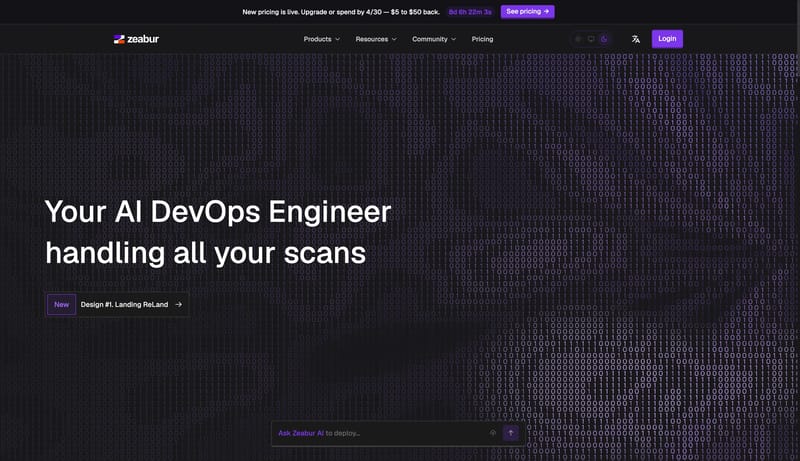
Focus on how these interfaces handle hierarchy, dense workflows, quick actions, and trust when the product is doing technical work on the user's behalf.

What To Compare

Compare navigation depth, command surfaces, structured output blocks, status signals, and how the product balances utility with visual restraint.

When To Use This Page

Use this page when you need design references for coding agents, technical copilots, or AI-native developer tooling rather than generic SaaS marketing.

Design Analysis

Shared design signals across codex design references

This design language is a quiet workspace for delegating tasks to an AI assistant. The screen should feel spacious, personal, and utilitarian: a mostly white canvas, a slim persistent tool rail, one centered work object,... Soft Agent Workspace is a light-firs...

Recurring Patterns

  • Primary ( 222222): High-intent button fill and dark utility emphasis.
  • Secondary ( FFFFFF): Card, button, and workspace window surface.
  • Tertiary ( 0072F5): Small interactive signal, link, and icon accent.
  • Display: Oversized, italic, tightly tracked, and highly confident.
  • Body: Calm, friendly, and evenly spaced.
  • Labels: Slightly weightier than body copy to preserve clarity on very light surfaces.

Related Design Signals

OverviewColorsTypographyLayoutImage DirectionDisplay: Oversized, italic, tightly tracked, and highly confidentBody: Calm, friendly, and evenly spacedSecondary ( 111111): Utility surfaces and card fillTertiary ( FFE81E): Statement accent and key emphasisDisplay: Bold, centered, tightly tracked, and directBody: Clear, compact, and utility-firstEntry & Arrival Motion

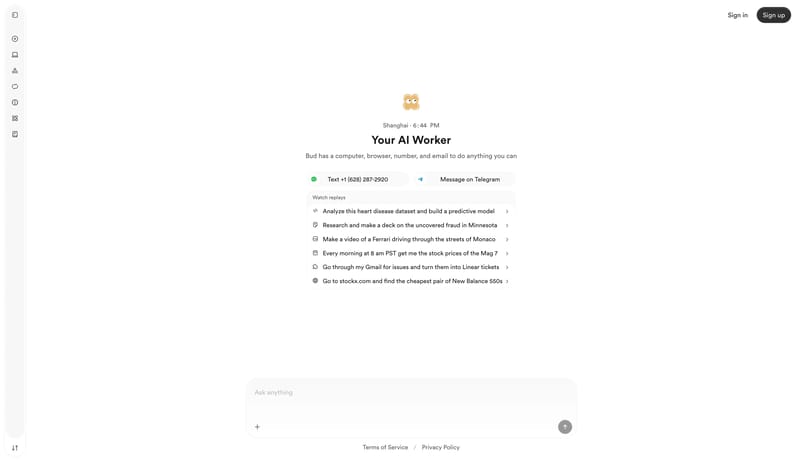
Bud - Your AI Worker

Home

2026-04-23

This design language is a quiet workspace for delegating tasks to an AI assistant. The screen should feel spacious, personal, and utilitarian: a mostly white canvas, a slim persistent tool rail, one centered work object,...

Open example

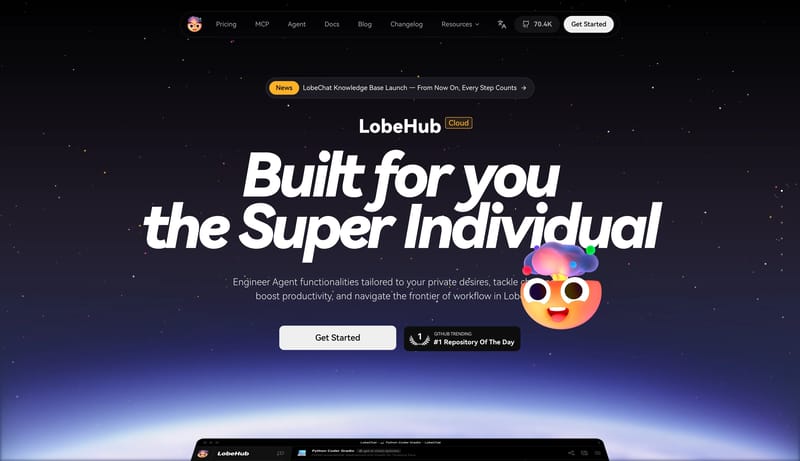
LobeHub

Home

2026-01-23

Soft Agent Workspace is a light-first system that makes advanced software feel collaborative and approachable. The first impression should be one giant italic statement over a near-white canvas, followed by a polished wh...

  • Primary ( 222222): High-intent button fill and dark utility emphasis.
  • Secondary ( FFFFFF): Card, button, and workspace window surface.
Open example

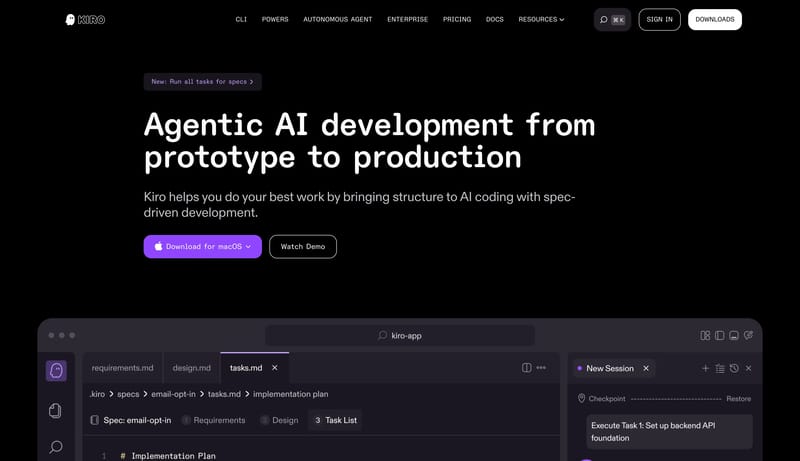
Kiro

Home

2026-02-01

Build a dark system that feels exacting, technical, and fast to trust. A dark developer system built from near-black shells, violet call-to-action energy, and terminal-first proof panels.

Open example

Website References

These references are ranked for how strongly they match the workflow and design signals behind codex design references.

Related Tools

These tools match the same intent cluster and are useful when you want software, generators, or workflow products around this theme.

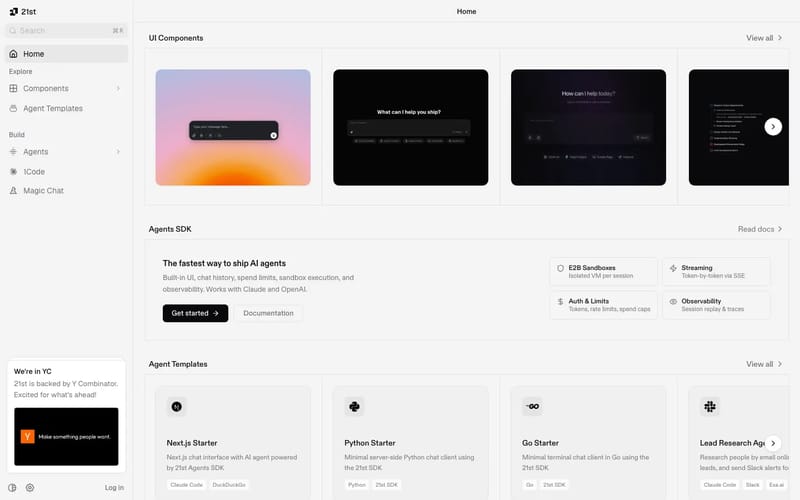
21st: Infrastructure and UI building blocks for the agentic internet

Ship AI-powered products faster with 21st Agents SDK, open-source UI components, and developer tools built for the agentic internet.

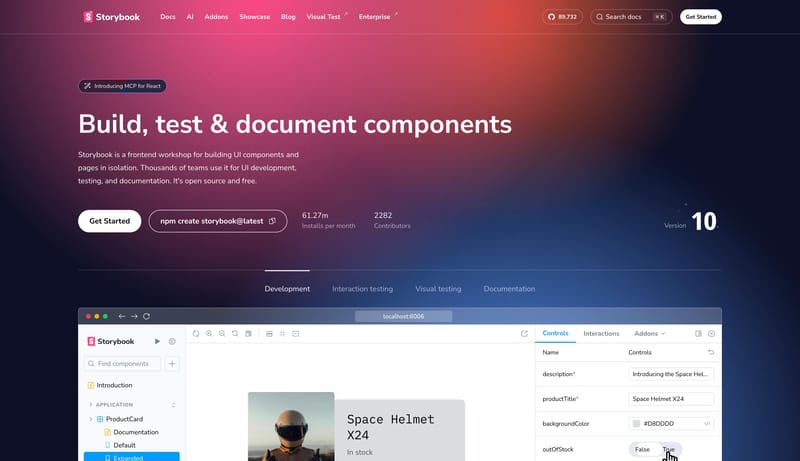
Storybook: Frontend workshop for UI development

Storybook is a frontend workshop for building UI components and pages in isolation. Thousands of teams use it for UI development, testing, and documentation. It's open source and free.

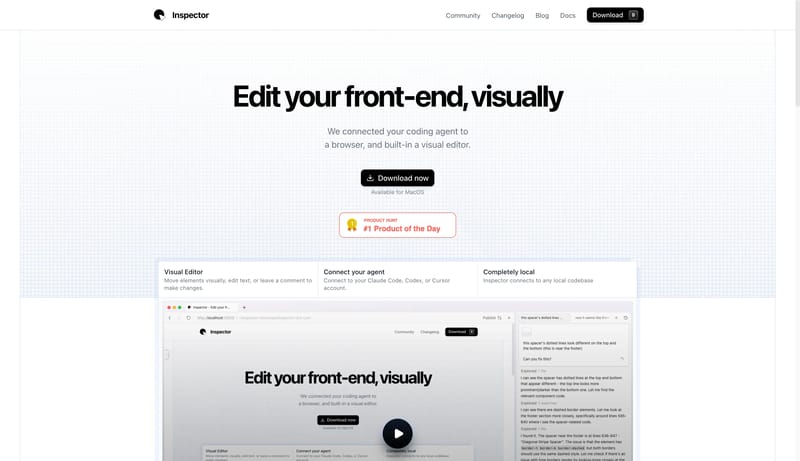
Inspector - Edit your front-end, visually

Inspector is a visual front-end editor that connects to your AI coding agent (Cursor, Claude Code, Codex). Edit text, move elements, and iterate on your React, Next.js, or Vite app—all locally on your codebase.

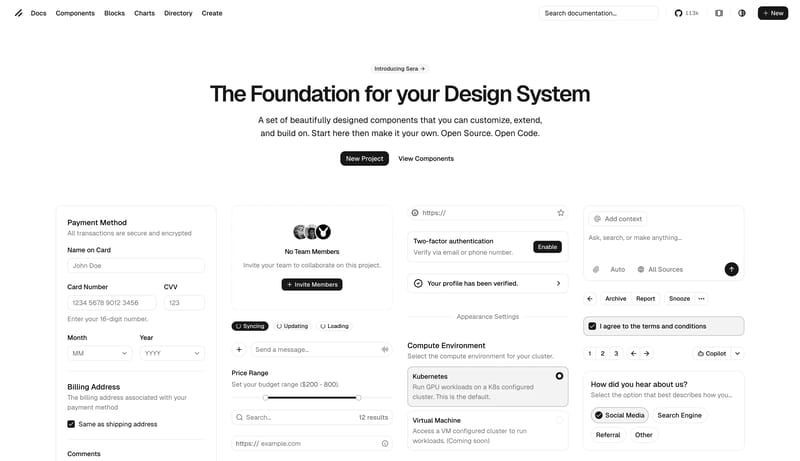
The Foundation for your Design System - shadcn/ui

A set of beautifully designed components that you can customize, extend, and build on. Start here then make it your own. Open Source. Open Code.

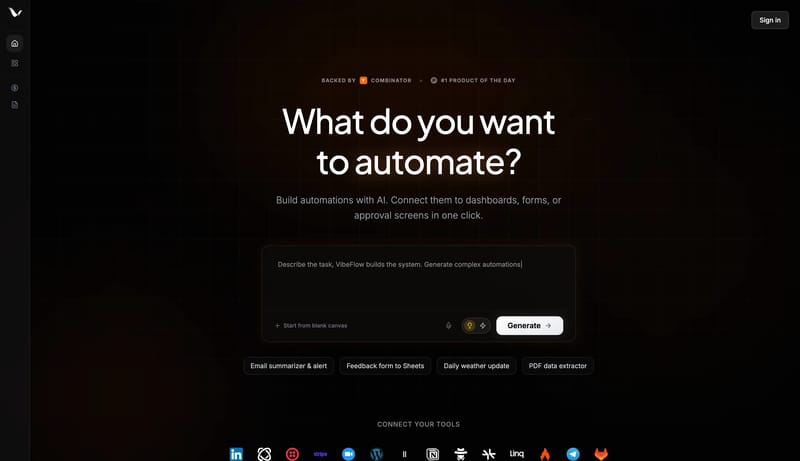
VibeFlow - AI Full-Stack App Builder with Visual Backends

VibeFlow turns prompts into full-stack apps with transparent, visual backends. Unlike with other black-box builders, with VibeFlow you can see and edit your entire application - frontend AND backend - with n8n-style workflows you actually control.

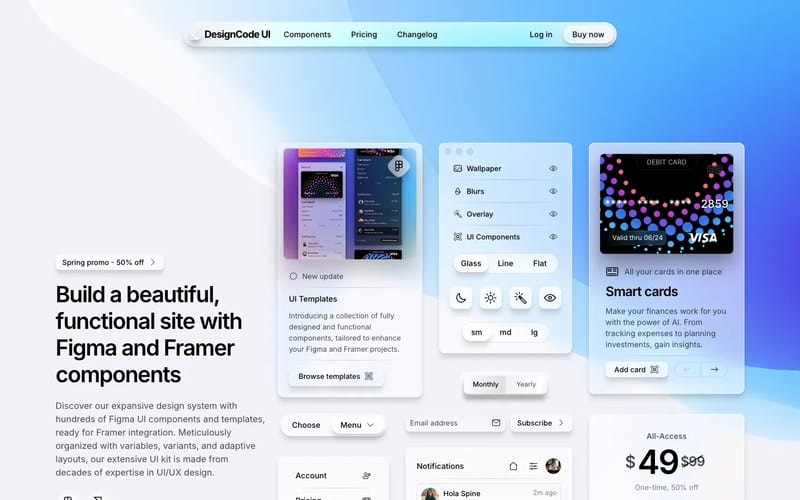
DesignCode UI - Figma and Framer Components

Discover our expansive design system with hundreds of Figma UI components and templates, ready for Framer. Meticulously organized with variables, variants, and adaptive layouts, our extensive UI kit is made from decades of expertise in UI/UX design.

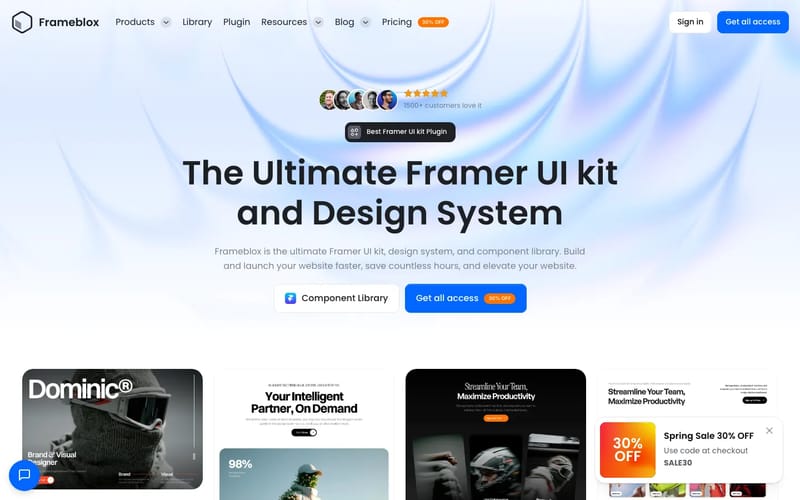
Frameblox - Ultimate Framer UI kit; design system & components library

Frameblox is the ultimate Framer UI kit, design system, and component library. Build and launch your website faster, save countless hours, and elevate your website.

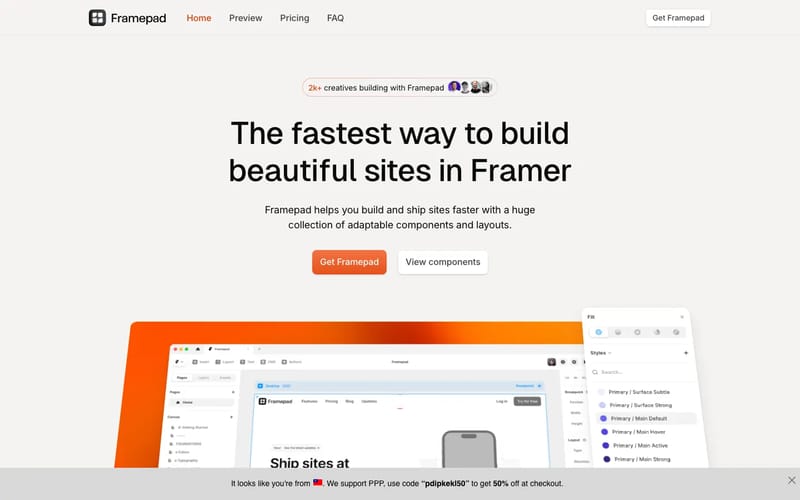
Framepad - Framer UI Kit & Design System

Framepad helps you build and ship sites faster with a huge collection of adaptable components and layouts.

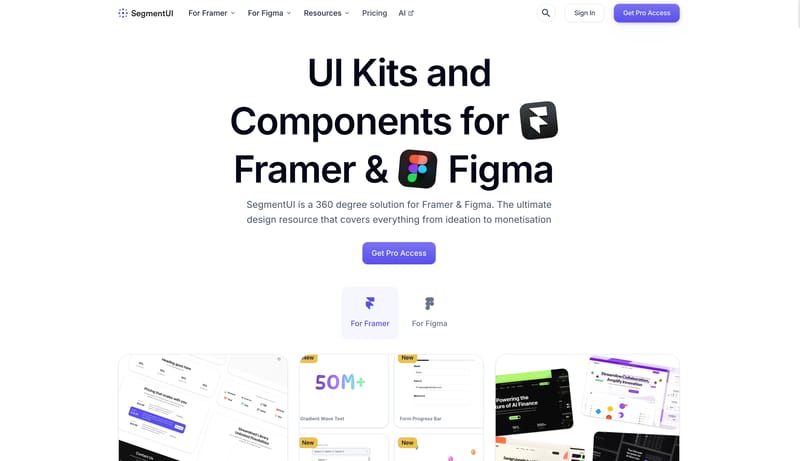
Free Resources, Components & UI Kits for Framer & Figma

SegmentUI is a 360 degree solution for Framer & Figma. The ultimate design resource that covers everything from ideation to monetisation. Free UI Kits, templates, design systems, components and custom code generators and layouts.

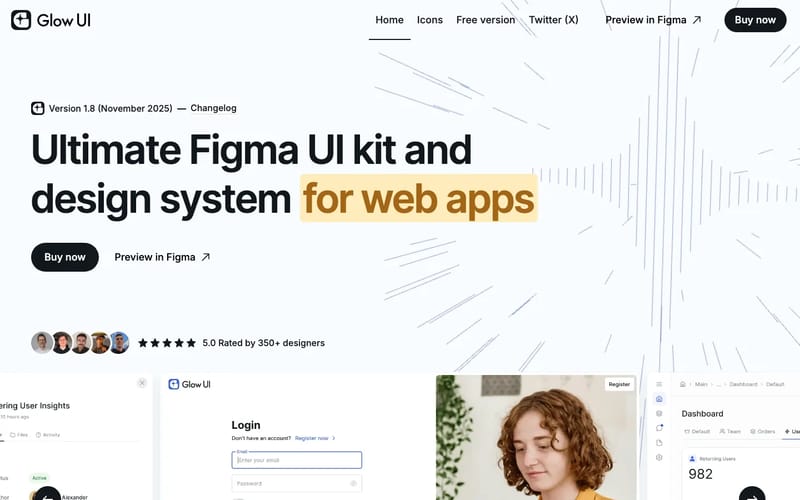
Glow UI — Figma UI Kit and Design System

The ultimate Figma UI kit crafted for professionals — top-tier components that streamline design for SaaS

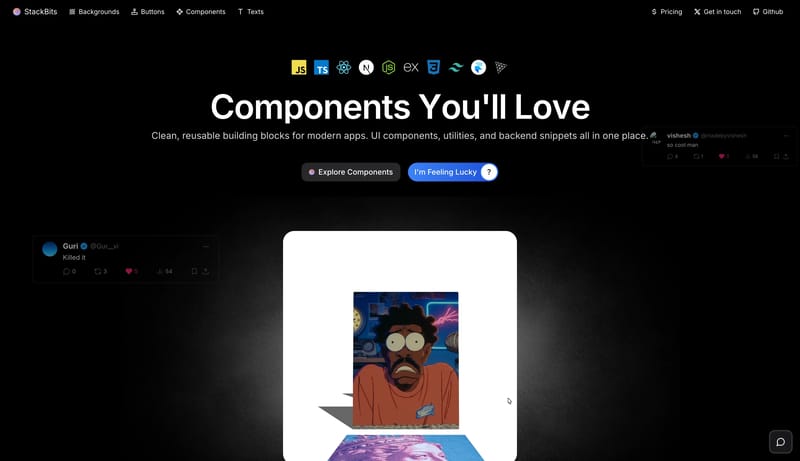
StackBits

Ready-to-use React components, Tailwind UI elements, and full-stack code snippets to accelerate your web development. Build modern apps faster with StackBits.

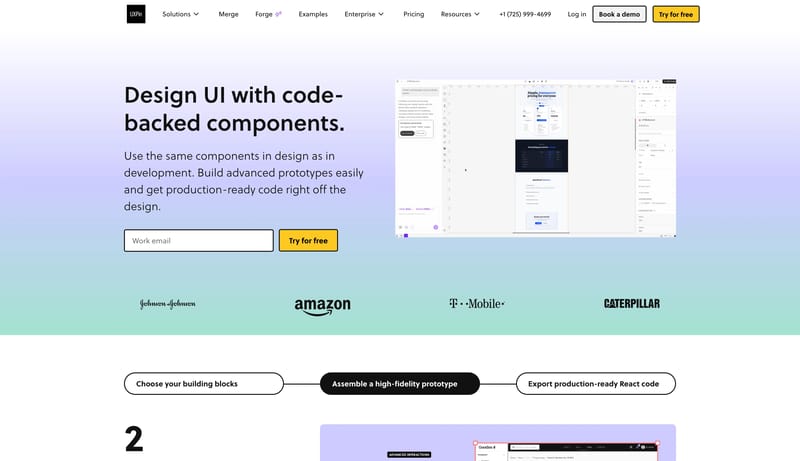
UXPin | UX/UI and Prototyping Tool for Designers & Developers

Design tool like no other. Prototypes that feel real, with powers of code components, logic, states, and design systems. Join for free!
Internal Hub

DESIGN.md Examples

Browse structured design analysis and AI-readable design system examples.

Internal Hub

Curated Tools

Explore broader tool collections if you want to keep branching from this workflow.

Continue Exploring

These internal hubs help distribute this collection into the rest of the site so readers and crawlers can continue into adjacent patterns, structured analysis, and taxonomy pages.

Related Collections

These pages cover adjacent intent clusters so you can move between broader AI design research and more specific workflow research.

Codex Design References FAQ

Why does Refto group these codex design references references together?

Use this page when you need design references for coding agents, technical copilots, or AI-native developer tooling rather than generic SaaS marketing.

What should I compare across these codex design references examples?

Compare navigation depth, command surfaces, structured output blocks, status signals, and how the product balances utility with visual restraint.

How should I use the related tools on this page?

Use the tools section to shortlist software that fits the same workflow you are researching in the references above, then compare product scope, output quality, and implementation fit.